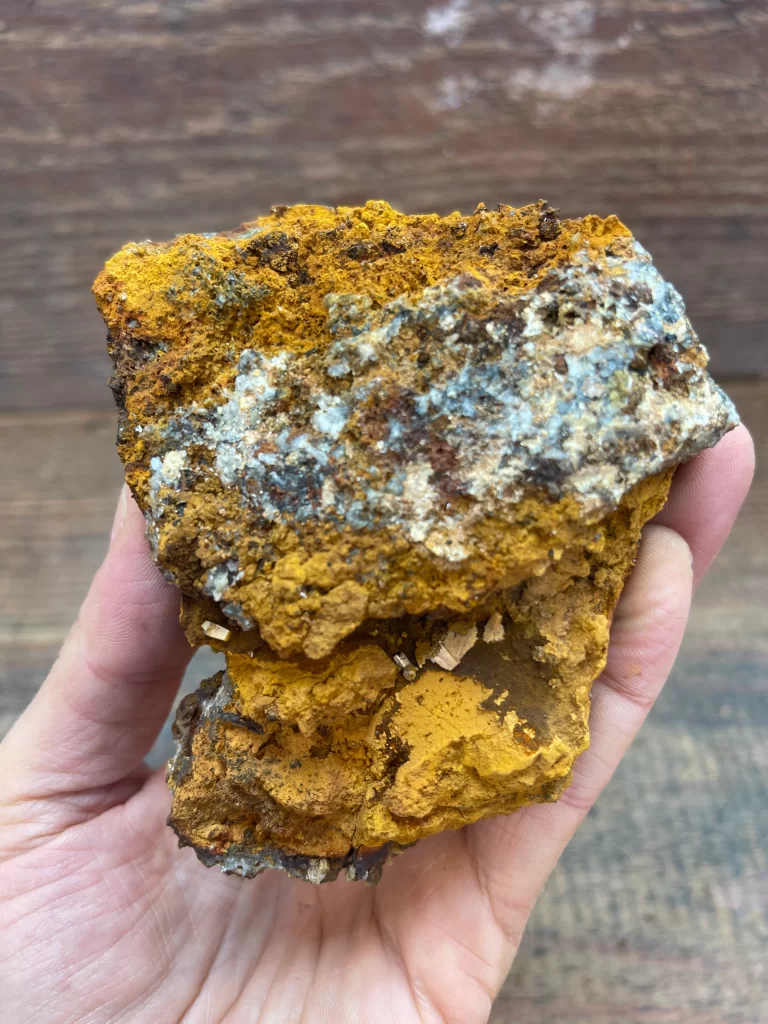
Successfully identifying gold ore in the field is an invaluable skill for prospectors, miners, and rockhounds alike. While gold is a precious metal sought after for its beauty and value, it rarely appears in its pure, visible form in nature. Instead, it is typically found mixed with other minerals in rocks, especially quartz. Having the right knowledge can make a significant difference in recognizing gold-bearing ore and avoiding common mistakes. For starters, understanding the types of rocks that typically host gold such as quartz veins, schist, slate, and granite gives you a head start. Gold often forms in hydrothermal veins, and one of the most common indicators is the presence of quartz veins that cut through darker rocks. These veins may appear white or translucent and sometimes contain iron staining or rust-colored patches, suggesting the presence of oxidized iron minerals, which can be associated with gold. In addition to visual clues, knowing how to conduct basic field tests can boost your chances of success. For example, gold is a very dense and soft metal. It doesn’t flake, crumble, or break apart easily.
Learning how to identify gold ore is easier when you know the differences between real gold and fool’s gold. Unlike fool’s gold, which is brittle and shines with a brassy tone, real gold has a buttery yellow appearance and a smooth texture. Scratching your suspected gold ore against a piece of unglazed ceramic tile can help; real gold will leave a yellow streak, whereas pyrite will leave a black or greenish-black one. Furthermore, gold is malleable you can flatten it with a hammer without breaking it another telltale sign that distinguishes it from other minerals. Having some knowledge about the local geology also plays a big role. Gold tends to occur in specific types of terrains. If you are in an area with a history of gold mining, your odds improve significantly. Check old maps, talk to local experts, or join prospecting groups that can help guide you to promising locations. Technological tools can also aid your search. A good metal detector tuned for small gold nuggets or mineralized soil can help identify hidden treasures just beneath the surface.
Additionally, using a gold pan in nearby rivers or streams can help determine if placer gold is present in the area, which often leads to discovering the primary gold source upstream. Overall, the process of identifying gold ore becomes much easier with a combination of the right tools, field experience, and geological understanding. Many prospectors enhance their success by using reliable gear from JXSC, known for producing efficient and durable gold exploration equipment. Training your eyes to recognize the subtle differences in rock textures, learning to use simple test methods, and understanding where gold is most likely to be found will greatly improve your ability to spot gold ore confidently. Over time, these skills develop into instinct, allowing you to make quicker and more accurate assessments. Whether you are a weekend prospector or someone pursuing gold exploration seriously, the right knowledge will always be your most valuable asset in the field.
