In the dynamic world of automation and industrial engineering, clear technical communication is essential. Pneumatic symbols serve as a universal language that enables engineers, technicians, and designers to understand complex systems with precision. These detailed symbols represent various pneumatic components such as valves, actuators, compressors, and filters making schematic diagrams easier to interpret and design. By mastering pneumatic symbols, professionals can significantly enhance efficiency, collaboration, and accuracy in their technical work.
The Importance Of Pneumatic Symbols In Industry
Pneumatic systems rely on the controlled movement of compressed air to power machinery and automation processes. The symbols used in pneumatic symbols diagrams provide an organized and standardized method for visualizing how air flows through a system. This not only simplifies design and troubleshooting but also improves overall operational safety.
Key benefits include:
- Improved Communication: A standardized symbol system ensures everyone interprets the same design accurately.
- Simplified Maintenance: Clear diagrams help technicians identify components quickly.
- Enhanced Safety: Accurate symbol use minimizes errors during system installation and repair.
- Efficient Documentation: Ensures all technical drawings follow international standards.
By using clear symbols, professionals streamline the entire process from planning to implementation.
Core Categories Of Pneumatic Symbols
To fully understand pneumatic diagrams, it is essential to recognize the major categories of symbols and their specific roles in system operation.
Main categories include:
- Air Supply Symbols: Represent sources such as compressors and reservoirs.
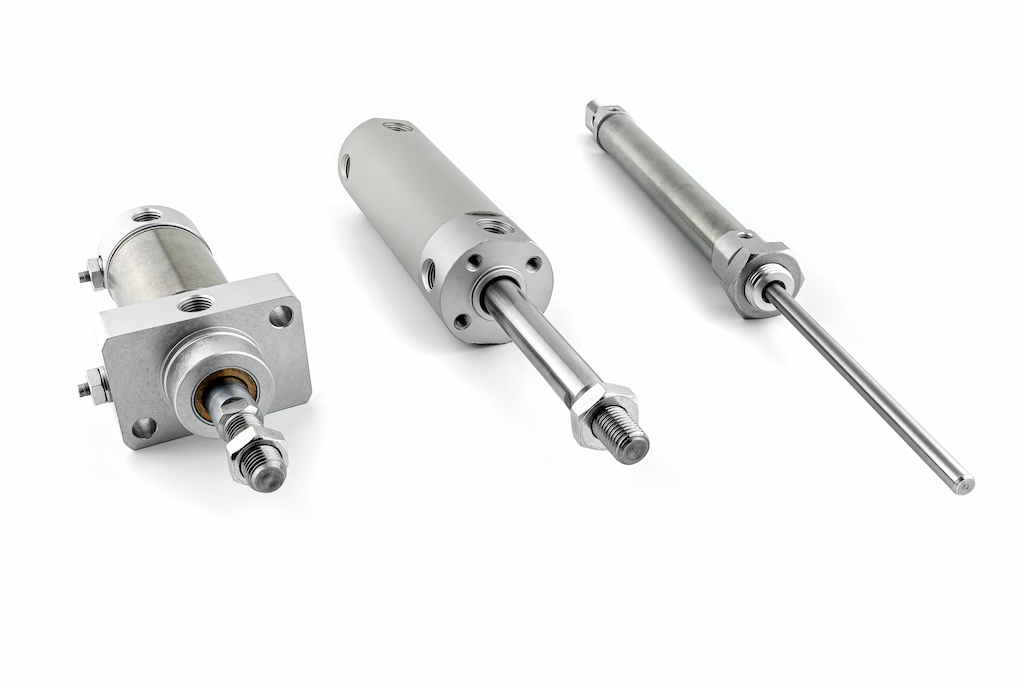
- Actuator Symbols: Indicate cylinders and motors that convert air pressure into motion.
- Valve Symbols: Depict flow control devices like direction, pressure, or flow valves.
- Connection Symbols: Illustrate pipelines, joints, and exhaust points.
- Measurement and Control Symbols: Represent pressure gauges, sensors, and regulators.
Each category contributes to building an accurate and functional system layout that engineers can easily analyze and optimize.
Enhancing Technical Skills Through Symbol Mastery
Learning pneumatic symbols is more than just memorizing shapes it is about understanding function and flow. By mastering symbol usage, professionals can create, interpret, and modify circuit diagrams with confidence.
Skill enhancements include:
- System Visualization: Enables engineers to mentally simulate how air moves through the circuit.
- Troubleshooting Proficiency: Simplifies fault detection and maintenance planning.
- Collaborative Efficiency: Improves teamwork between design, production, and maintenance teams.
- Precision in Design: Supports efficient layout creation that reduces design errors.
Developing this expertise allows individuals to communicate complex ideas quickly and effectively, which is crucial in fast-paced industrial environments.
Adopting Innovation and Digital Tools
Modern design platforms now incorporate digital pneumatic cylinder libraries, making symbol application more intuitive and error-free. These tools allow users to drag, drop, and label components within virtual environments, ensuring accuracy and consistency in every project.
Advantages of digital integration:
- Streamlined documentation and revisions.
- Automatic error detection in circuit design.
- Easy sharing and collaboration across engineering teams.
- Compatibility with modern automation and simulation tools.
Such innovations bridge the gap between traditional schematic design and advanced digital engineering.
Building A Stronger Technical Foundation
Exploring and understanding detailed pneumatic symbols empowers professionals to become fluent in the technical language of automation. This skill strengthens communication, enhances problem-solving abilities, and promotes innovation across industries. By embracing the precision and clarity that pneumatic symbols offer, individuals and organizations can achieve smoother workflows, safer operations, and a higher level of technical excellence.
