Modern License Plate Recognition (LPR) cameras have evolved into intelligent, high-speed systems capable of processing vast amounts of data instantly. Powered by advanced imaging sensors, edge computing, and AI-driven algorithms, these systems deliver accurate and actionable insights in real time. Their ability to capture, analyze, and transmit data within milliseconds makes them essential for traffic management, smart cities, and secure facilities.
High-Speed Image Capture and Instant Recognition
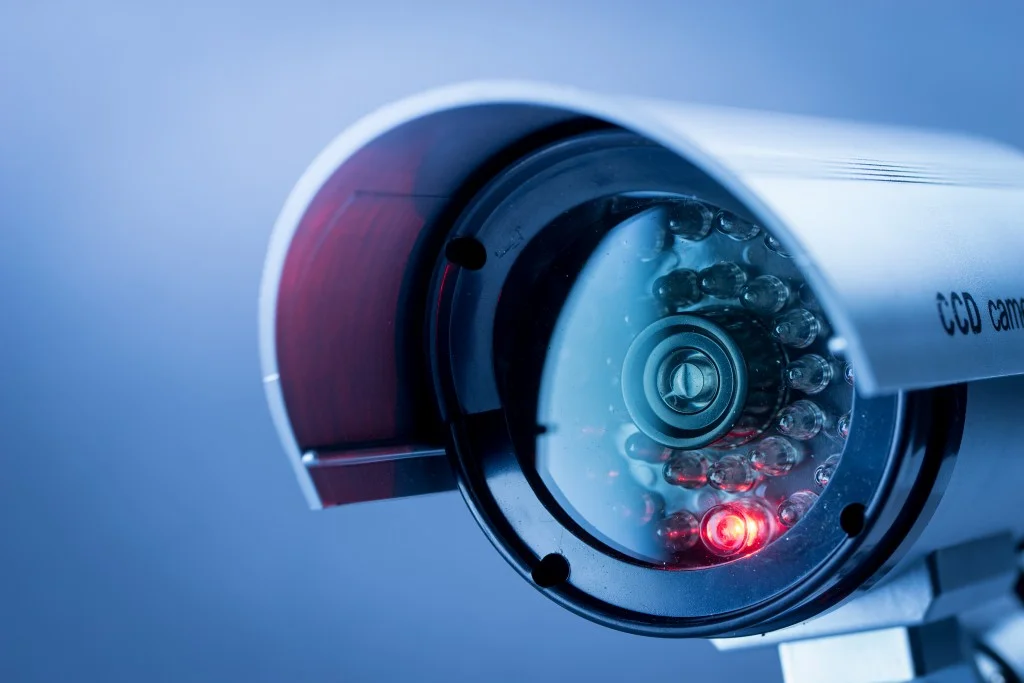
At the core of real-time data processing is the ability to capture clear images at high speeds. Modern LPR cameras are equipped with:
- High-resolution sensors for crisp plate detection
- Fast shutter speeds to capture vehicles in motion
- Infrared illumination for day and night performance
- Automatic exposure control for varying lighting conditions
These features allow the system to instantly isolate a vehicle’s license plate and prepare it for recognition. The integration of intelligent Optical Character Recognition (OCR) software ensures that characters are interpreted accurately within fractions of a second.
Edge Computing for Immediate Data Analysis
One of the most transformative capabilities in modern LPR systems is edge computing. Instead of sending raw video footage to a remote server for processing, data is analyzed directly within the camera device. Smart parking systems become more effective when installing กล้องอ่านป้ายทะเบียน for automatic vehicle identification and monitoring.
Key advantages include:
- Ultra-low latency processing
- Reduced bandwidth usage
- Enhanced system reliability
- Faster response times for security alerts
By processing information at the source, LPR cameras can immediately compare captured license plate numbers against databases and trigger actions such as gate access, alerts, or traffic signal adjustments.
AI-Powered Recognition and Accuracy Enhancement
Artificial Intelligence plays a central role in real-time data processing. Advanced deep learning models allow LPR cameras to:
- Recognize plates from multiple angles
- Identify plates in challenging weather conditions
- Adapt to different plate formats and fonts
- Improve accuracy through continuous learning
AI-driven analytics minimize false readings and ensure consistent performance even in high-traffic environments. This intelligent processing supports seamless automation across diverse applications.
Seamless Integration with Smart Systems
Modern LPR cameras are designed to integrate effortlessly with broader smart infrastructure. Their real-time processing capabilities enable:
- Instant communication with access control systems
- Automated parking management
- Traffic flow optimization
- Toll and congestion monitoring
Through secure network connectivity and API compatibility, LPR systems can share processed data instantly with centralized management platforms. This interconnected functionality enhances operational efficiency and decision-making speed.
Scalable Performance for Expanding Demands
Real-time processing capabilities are built with scalability in mind. Whether deployed at a small facility or across a large urban network, modern LPR systems can handle growing data volumes without compromising speed or accuracy.
Scalability features include:
- Cloud synchronization support
- Distributed processing architectures
- Remote firmware updates
- Centralized monitoring dashboards
These capabilities ensure that systems remain future-ready as traffic volumes and security requirements increase.
Transforming Security and Mobility
The real-time data processing power of modern LPR cameras is redefining how organizations manage security, traffic, and mobility. Instant recognition, intelligent analytics, and seamless system integration create a responsive environment where decisions are made immediately and efficiently.
With continuous advancements in AI, edge computing, and imaging technology, modern LPR cameras stand as a cornerstone of smart infrastructure delivering speed, precision, and reliability in every captured frame.
